Atomic Habits vs The Power of Habit
Actionable Practical Playbook vs. Investigative Neurological Narrative

Atomic Habits: An Easy & Proven Way to Build Good Habits & Break Bad Ones
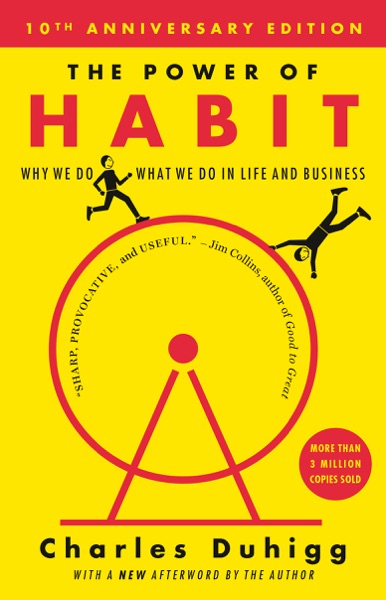
The Power of Habit: Why We Do What We Do in Life and Business
The Battle of Ideas
Charles Duhigg’s The Power of Habit (2012) popularized the Habit Loop (Cue, Routine, Reward) through riveting narrative journalism and neuroscience case studies. James Clear’s Atomic Habits (2018) builds on this scientific foundation, refining it into a 4-step loop (Cue, Craving, Response, Reward) and providing a step-by-step practical manual for everyday implementation.
How Their Methodologies Diverge
The Power of Habit is descriptive and research-driven (exploring organizational habits at Alcoa, Target, and Alcoholics Anonymous); Atomic Habits is prescriptive and highly tactical.
Duhigg outlines the 3-step loop (Cue-Routine-Reward); Clear introduces the critical 4th step: "Craving", explaining the neurochemical motivation driving the habit.
Atomic Habits provides explicit inverted laws to break bad habits (Make it Invisible, Unattractive, Difficult, Unsatisfying), which Duhigg only touches on broadly.
Comparative Breakdown
| Dimension | Atomic Habits | The Power of Habit |
|---|---|---|
| Writing Style | Tactical, distilled, frameworks & checklists | Investigative storytelling & case studies |
| Habit Model | 4-Step (Cue, Craving, Response, Reward) | 3-Step (Cue, Routine, Reward) |
| Scope | Personal mastery and routine design | Personal, organizational, and societal habits |
| Actionability | Extremely high (immediate daily tactics) | Moderate (insightful understanding of habit loops) |
Which One Should You Read First?
If you want to immediately change your daily routines, choose Atomic Habits. If you want to understand how organizations and societies form collective habits, read The Power of Habit.
Read Atomic Habits If:
Individuals seeking an immediate, practical framework to build positive habits and eliminate self-sabotage.
Open Atomic Habits Masterbrief →Read The Power of Habit If:
Managers, marketers, and leaders who want to understand institutional habits, customer buying cycles, and social movements.
Open The Power of Habit Masterbrief →Read The Power of Habit to understand why your brain automates behavior, then execute with Atomic Habits.
Core Mental Shifts Inside Each Brief
Atomic Habits Key Shifts
8 ShiftsThe Surprising Power of Atomic Habits
Small 1% daily improvements compound into exponential transformations. Breakthroughs require surviving the Plateau of Latent Potential.
Identity-Based Habits: Changing Who You Are
Focus on identity rather than outcomes. Every daily action is an empirical vote casting your future self.
The 1st Law: Make It Obvious
Make the cues of good habits obvious in your physical environment; use Habit Stacking to bind new routines to old ones.
The 2nd Law: Make It Attractive
Make habits attractive through temptation bundling and by immersing yourself in cultures where your goal is normal.
The Power of Habit Key Shifts
8 ShiftsThe Habit Loop: Anatomy of Automaticity
Every habit is a 3-part loop: Cue, Routine, and Reward. Understanding this loop is the first step to mastering your behavior.
The Craving Brain: What Powers the Loop
Cravings power the habit loop. The anticipation of the reward creates the neurological urge that makes the routine automatic.
The Golden Rule of Habit Change
The Golden Rule: keep the cue and the reward, but change the routine in the middle. You cannot erase habits; you can only replace them.
tone Habits: The Small Wins Cascade
Keystone habits create small wins that spark a chain reaction of positive behavior across unrelated areas of life and business.
Common Questions Answered
Should I read The Power of Habit before Atomic Habits?
It is not necessary. Atomic Habits encompasses and refines the core lessons of The Power of Habit into a more directly actionable guide for individuals.
What is the main difference in their habit loops?
Duhigg uses Cue -> Routine -> Reward. Clear divides this into Cue -> Craving -> Response -> Reward to highlight the psychological desire (craving) that precedes physical action.
Ready to master both books in 30 minutes?
Save hours of reading time with interactive mental shifts, practical quizzes, and executive frameworks.