Good to Great vs Zero to One
Scaling Established Giants vs. Inventing Uncontested Monopolies
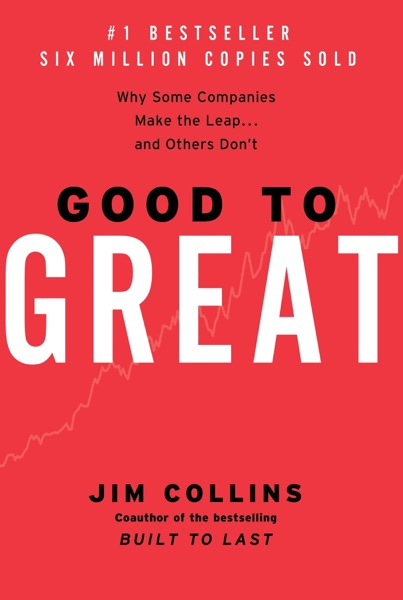
Good to Great: Why Some Companies Make the Leap and Others Don't
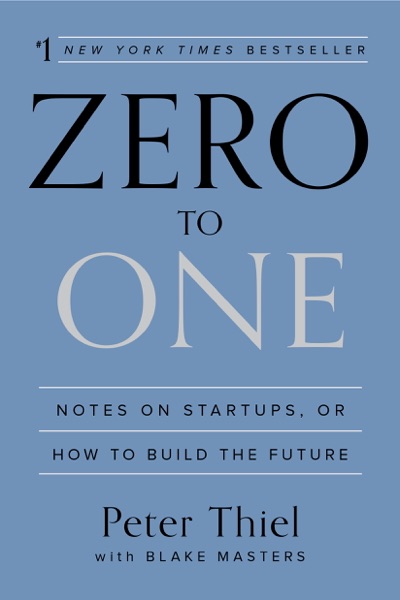
The Battle of Ideas
Jim Collins’ Good to Great analyzed decades of enterprise data to discover the exact management disciplines that transform good companies into sustained market leaders (Level 5 Leadership, The Hedgehog Concept, The Flywheel). Peter Thiel’s Zero to One provides a contrarian playbook for venture-backed startups to create entirely new categories and achieve lasting creative monopoly.
How Their Methodologies Diverge
Good to Great is backward-looking and empirical, studying existing Fortune 500 companies; Zero to One is forward-looking and philosophical, focusing on technological breakthroughs from zero.
Collins focuses on the "Flywheel Effect" (relentless, incremental disciplined execution); Thiel focuses on vertical progress (doing something 10x better than existing alternatives).
Good to Great champions humility and consensus culture; Zero to One champions extreme founder conviction, proprietary secrets, and non-consensus truths.
Comparative Breakdown
| Dimension | Good to Great | Zero to One |
|---|---|---|
| Stage of Business | Established organizations scaling 1 to N | Startups inventing 0 to 1 breakthroughs |
| Market Goal | Sustained industry outperformance | Escaping competition through creative monopoly |
| Leadership Style | Level 5 Leader (humble, stoic, disciplined) | Visionary Founder (charismatic, contrarian, secretive) |
| Primary Framework | Hedgehog Concept, Flywheel, First Who Then What | Secrets, 10x Technology, Power Law, Network Effects |
Which One Should You Read First?
Study Zero to One if you are creating a new venture or disruptive product. Study Good to Great if you are optimizing operational excellence and scaling an established team.
Read Good to Great If:
CEOs, COOs, and division heads managing existing companies aiming for enduring organizational greatness.
Open Good to Great Masterbrief →Read Zero to One If:
Founders, venture capitalists, and product strategists creating innovative products in new markets.
Open Zero to One Masterbrief →Core Mental Shifts Inside Each Brief
Good to Great Key Shifts
8 ShiftsLevel 5 Leadership
Enduring greatness requires Level 5 leaders who marry deep personal humility with an ironclad, uncompromising will to see the mission succeed.
First Who, Then What
Assemble exceptional, self-motivated people first before finalizing strategy; superior talent density effortlessly navigates unforeseen market disruptions.
Confront the Brutal Facts: The Stockdale Paradox
Never surrender unwavering faith in ultimate victory, but pair it with ruthless discipline to confront every harsh, unfiltered fact of your present reality.
The Hedgehog Concept
Simplicity drives compounding power; align all organizational resources around the single intersection of passion, world-class capability, and your economic driver.
Zero to One Key Shifts
6 ShiftsThe Contrarian Truth: Vertical Progress vs. Horizontal Globalization
Horizontal progress copies what already exists (1 to n); true value is created exclusively through vertical technological breakthroughs (0 to 1).
Party Like It's 1999: Overcoming the False Dogmas of the Dot-Com Crash
Reject the cautious incrementalism of the post-bubble era and embrace bold, definite, monopoly-oriented engineering.
All Happy Companies Are Different: The Creative Monopoly Imperative
Perfect competition destroys economic profits; generational wealth and enduring innovation are created exclusively by creative monopolies.
The Ideology of Competition & The Last Mover Advantage
Avoid the destructive psychology of competition and engineer structural moats that secure decades of future terminal cash flows.
Common Questions Answered
Can a startup apply Good to Great frameworks?
Yes. Concepts like "First Who, Then What" (getting the right people on the bus) and the "Hedgehog Concept" are invaluable for startups finding product-market fit.
What does "Zero to One" mean?
Going from 0 to 1 means creating something completely new (technological progress), whereas going from 1 to N means copying things that work (globalization).
Ready to master both books in 30 minutes?
Save hours of reading time with interactive mental shifts, practical quizzes, and executive frameworks.