How to Get a Return on Failure vs Good to Great: Why Some Companies Make the Leap and Others Don't
John C. Maxwell vs Jim Collins: Comparing Key Strategic Insights & Frameworks

How to Get a Return on Failure
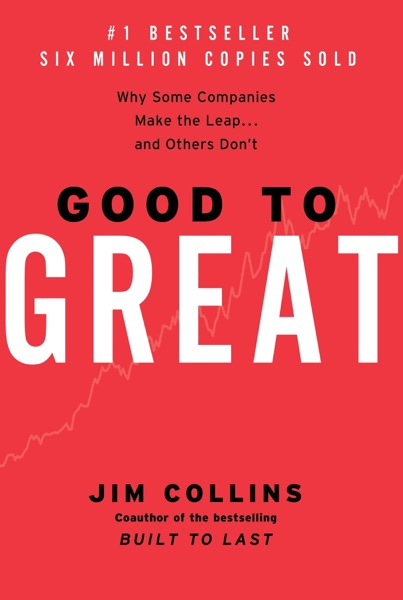
Good to Great: Why Some Companies Make the Leap and Others Don't
The Battle of Ideas
A comprehensive side-by-side analysis of How to Get a Return on Failure by John C. Maxwell and Good to Great: Why Some Companies Make the Leap and Others Don't by Jim Collins. Discover how their philosophies, core mental models, and actionable takeaways compare for strategic decision-makers.
How Their Methodologies Diverge
How to Get a Return on Failure approaches Careers through the lens of Most professionals suffer from failure twice: first when the loss occurs, and second when they waste the lesson. This masterbrief provides an actionable operating system to extract maximum strategic leverage from every setback, transforming painful realities into compounding competitive advantages..
Good to Great: Why Some Companies Make the Leap and Others Don't focuses on Most organizations never become great simply because they comfortably settle for being good. Through a rigorous five-year empirical research study, Jim Collins unpacked the timeless mechanisms that allow ordinary companies to make the sustained leap to world-class greatness..
Reading How to Get a Return on Failure takes ~15 minutes on MasterBriefs, while Good to Great: Why Some Companies Make the Leap and Others Don't takes ~15 minutes.
Comparative Breakdown
| Dimension | How to Get a Return on Failure | Good to Great |
|---|---|---|
| Author | John C. Maxwell | Jim Collins |
| Primary Category | Careers | Business & Finance |
| Executive Read Time | 15 min brief | 15 min brief |
| Interactive Modules | 8 Chapter Shifts & Quiz | 8 Chapter Shifts & Quiz |
Which One Should You Read First?
Both How to Get a Return on Failure and Good to Great: Why Some Companies Make the Leap and Others Don't provide high-leverage frameworks that complement each other in your personal executive library.
Read How to Get a Return on Failure If:
Read How to Get a Return on Failure if you want a masterclass in Careers and practical shifts from John C. Maxwell.
Open How to Get a Return on Failure Masterbrief →Read Good to Great If:
Read Good to Great: Why Some Companies Make the Leap and Others Don't if you are looking to master the key mental models delivered by Jim Collins.
Open Good to Great Masterbrief →Combine both briefs on MasterBriefs to build a comprehensive, multi-disciplinary understanding of Careers.
Core Mental Shifts Inside Each Brief
How to Get a Return on Failure Key Shifts
8 ShiftsRedefining the Ledger of Loss
Treating failure as objective market feedback allows you to convert emotional pain into actionable strategic data.
Overcoming the Fear Paralysis
Neutralizing fear requires mapping worst-case scenarios and prioritizing rapid, iterative recovery over paralyzed perfectionism.
The Post-Mortem Discipline
Systematic post-mortems conducted within 48 hours transform raw emotional missteps into permanent operational upgrades.
Cultivating Resilience and Bounce-Back Ability
Building unbreakable resilience requires an internal locus of control and the disciplined accumulation of micro-wins.
Good to Great Key Shifts
8 ShiftsLevel 5 Leadership
Enduring greatness requires Level 5 leaders who marry deep personal humility with an ironclad, uncompromising will to see the mission succeed.
First Who, Then What
Assemble exceptional, self-motivated people first before finalizing strategy; superior talent density effortlessly navigates unforeseen market disruptions.
Confront the Brutal Facts: The Stockdale Paradox
Never surrender unwavering faith in ultimate victory, but pair it with ruthless discipline to confront every harsh, unfiltered fact of your present reality.
The Hedgehog Concept
Simplicity drives compounding power; align all organizational resources around the single intersection of passion, world-class capability, and your economic driver.
Common Questions Answered
How does How to Get a Return on Failure compare to Good to Great: Why Some Companies Make the Leap and Others Don't?
How to Get a Return on Failure focuses on Most professionals suffer from failure twice: first when the loss occurs, and second when they waste the lesson. This masterbrief provides an actionable operating system to extract maximum strategic leverage from every setback, transforming painful realities into compounding competitive advantages., whereas Good to Great: Why Some Companies Make the Leap and Others Don't delivers frameworks centered on Most organizations never become great simply because they comfortably settle for being good. Through a rigorous five-year empirical research study, Jim Collins unpacked the timeless mechanisms that allow ordinary companies to make the sustained leap to world-class greatness..
Can I read both executive summaries on MasterBriefs?
Yes, both books feature full 15-minute executive masterbriefs with interactive chapter shifts, framework diagrams, and self-quizzes.
Ready to master both books in 30 minutes?
Save hours of reading time with interactive mental shifts, practical quizzes, and executive frameworks.