Thinking, Fast and Slow vs The Psychology of Money: Timeless Lessons on Wealth, Greed, and Happiness
Daniel Kahneman vs Morgan Housel: Comparing Key Strategic Insights & Frameworks
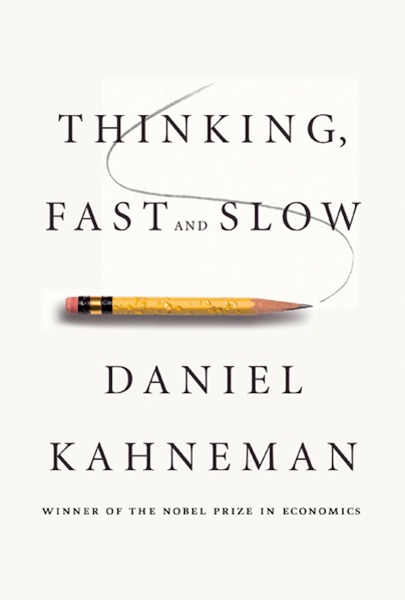
Thinking, Fast and Slow

The Psychology of Money: Timeless Lessons on Wealth, Greed, and Happiness
The Battle of Ideas
A comprehensive side-by-side analysis of Thinking, Fast and Slow by Daniel Kahneman and The Psychology of Money: Timeless Lessons on Wealth, Greed, and Happiness by Morgan Housel. Discover how their philosophies, core mental models, and actionable takeaways compare for strategic decision-makers.
How Their Methodologies Diverge
Thinking, Fast and Slow approaches Psychology & Decisions through the lens of Human beings are systematically irrational. Understanding the friction between fast, emotional intuition (System 1) and slow, deliberate logic (System 2) is the key to avoiding catastrophic cognitive biases..
The Psychology of Money: Timeless Lessons on Wealth, Greed, and Happiness focuses on Financial success is not a hard science; it is a soft skill where behavior and emotional control matter infinitely more than spreadsheet math and IQ..
Reading Thinking, Fast and Slow takes ~15 minutes on MasterBriefs, while The Psychology of Money: Timeless Lessons on Wealth, Greed, and Happiness takes ~15 minutes.
Comparative Breakdown
| Dimension | Thinking, Fast and Slow | The Psychology of Money |
|---|---|---|
| Author | Daniel Kahneman | Morgan Housel |
| Primary Category | Psychology & Decisions | Business & Finance |
| Executive Read Time | 15 min brief | 15 min brief |
| Interactive Modules | 8 Chapter Shifts & Quiz | 8 Chapter Shifts & Quiz |
Which One Should You Read First?
Both Thinking, Fast and Slow and The Psychology of Money: Timeless Lessons on Wealth, Greed, and Happiness provide high-leverage frameworks that complement each other in your personal executive library.
Read Thinking, Fast and Slow If:
Read Thinking, Fast and Slow if you want a masterclass in Psychology & Decisions and practical shifts from Daniel Kahneman.
Open Thinking, Fast and Slow Masterbrief →Read The Psychology of Money If:
Read The Psychology of Money: Timeless Lessons on Wealth, Greed, and Happiness if you are looking to master the key mental models delivered by Morgan Housel.
Open The Psychology of Money Masterbrief →Combine both briefs on MasterBriefs to build a comprehensive, multi-disciplinary understanding of Psychology & Decisions.
Core Mental Shifts Inside Each Brief
Thinking, Fast and Slow Key Shifts
8 ShiftsTwo Systems: Fast Intuition vs. Slow Logic
System 1 is fast, automatic, and error-prone; System 2 is slow, logical, and lazy. Train yourself to activate System 2 during high-stakes decisions.
WYSIATI: What You See Is All There Is
WYSIATI makes you judge situations based solely on visible data while ignoring missing evidence. Always seek out what is hidden.
Heuristics and Biases: Anchoring & Availability
Heuristics substitute easy questions for hard ones. Beware of the Anchoring Effect and the Availability Heuristic when assessing value and risk.
The Illusion of Understanding and Overconfidence
Hindsight bias creates the illusion that the past was predictable and fuels expert overconfidence. Use premortems and decision journals.
The Psychology of Money Key Shifts
8 ShiftsNo One's Crazy
No one is crazy. People make financial decisions based on their unique life experiences, not sterile mathematical models.
Luck & Risk: The Sibling Forces
Luck and risk shape outcomes as much as skill. Focus on broad, repeatable principles rather than extreme individual outliers.
Never Enough: Escaping the Moving Goalpost
The hardest financial skill is stopping the moving goalpost. Never risk what you need for what you don't have and don't need.
The Magic of Compounding: The Buffett Secret
Compounding is about longevity, not genius. Average returns sustained over decades beat spectacular, short-lived returns.
Common Questions Answered
How does Thinking, Fast and Slow compare to The Psychology of Money: Timeless Lessons on Wealth, Greed, and Happiness?
Thinking, Fast and Slow focuses on Human beings are systematically irrational. Understanding the friction between fast, emotional intuition (System 1) and slow, deliberate logic (System 2) is the key to avoiding catastrophic cognitive biases., whereas The Psychology of Money: Timeless Lessons on Wealth, Greed, and Happiness delivers frameworks centered on Financial success is not a hard science; it is a soft skill where behavior and emotional control matter infinitely more than spreadsheet math and IQ..
Can I read both executive summaries on MasterBriefs?
Yes, both books feature full 15-minute executive masterbriefs with interactive chapter shifts, framework diagrams, and self-quizzes.
Ready to master both books in 30 minutes?
Save hours of reading time with interactive mental shifts, practical quizzes, and executive frameworks.